






Tonalism in Interior Design & Textiles
When I started adding commercial spaces to my design repertoire over 20 years ago, I am often told by my all-around design sidekick (business partner and husband), Clint, that a design needs more contrast. I usually adjust it, and the spaces have always come together. Over time, I've learned where my weak points are, but I've also realized why many of my clients keep coming back: tonal design that brings in carefully selected contrast.
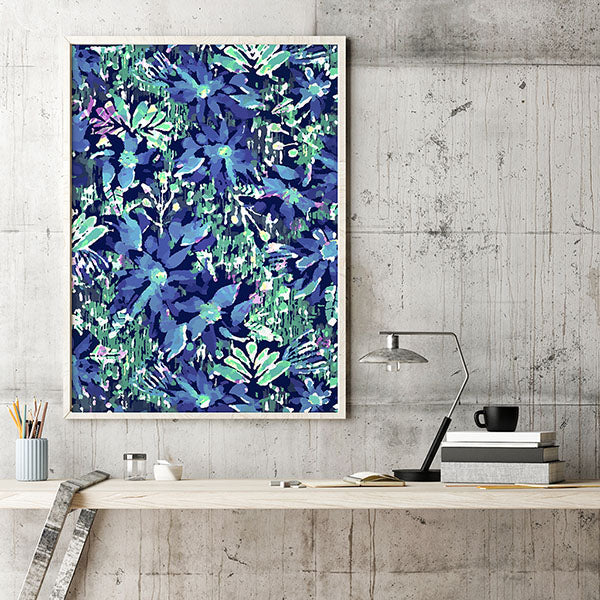
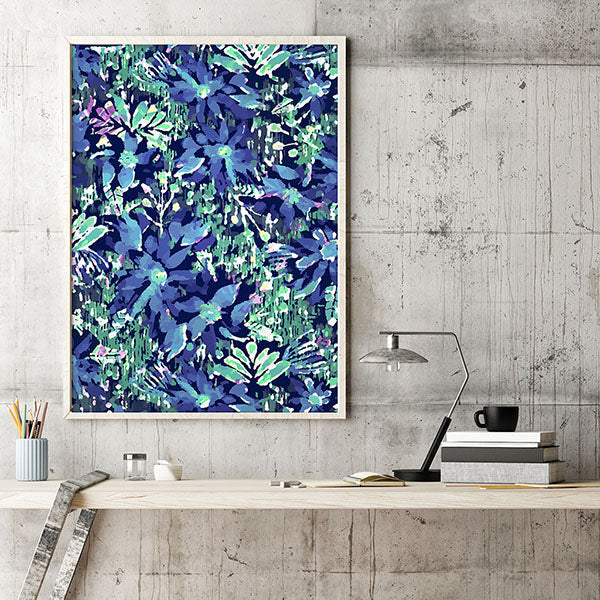
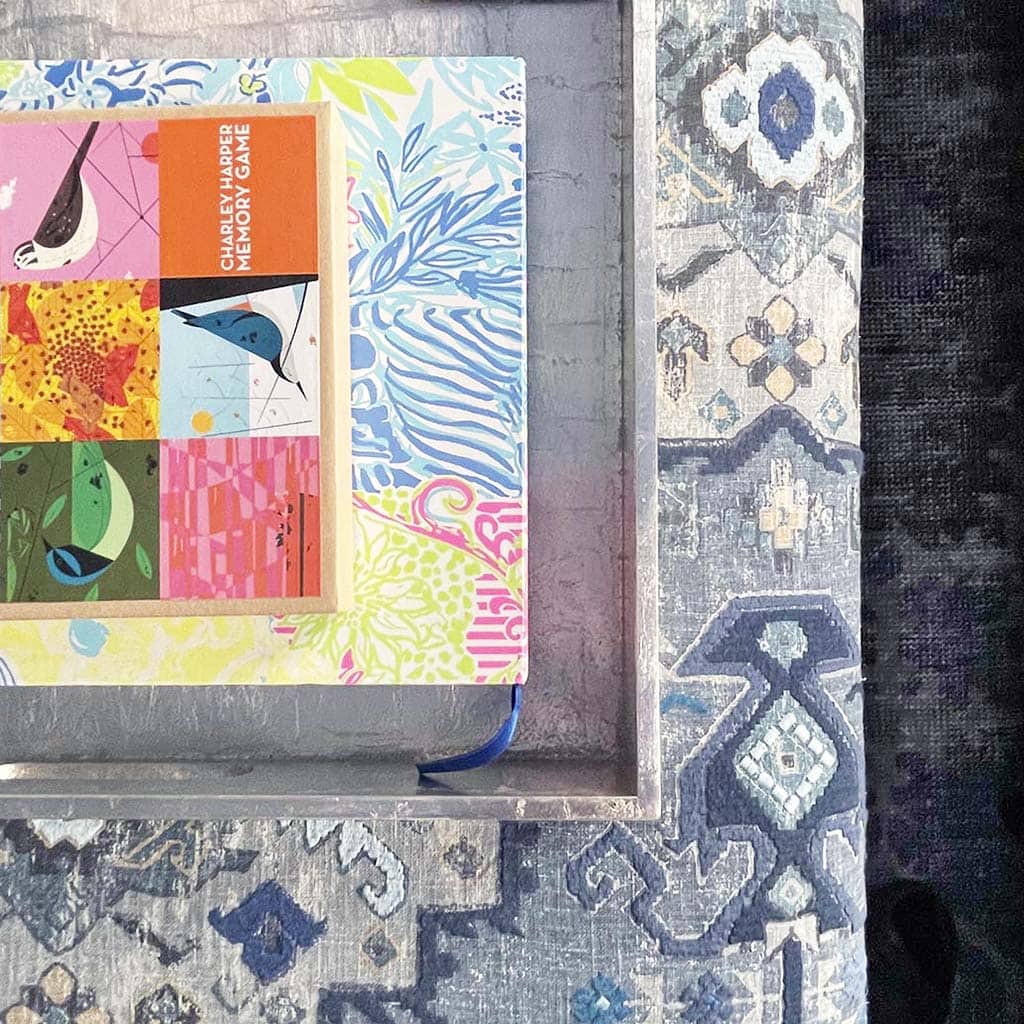
I've been talking about this for years, even calling myself a tonalist. I'd say this is also true of my textile and wallpaper designs and most of the art I license. I'm not saying there aren't places where there is strong contrast or an unexpected element, I'm just saying I've learned to lean into my strengths. I'm a natural tonalist.

Design by Studio Trio
What I mean by tonalist design
Think color drenching, but even more elevated. Color drenching is a good place to start because it covers the general idea: colors that are similar and on the same side of the color wheel, for the most part. However, tonalism takes it another step. Think of it as developing atmosphere and mood with color, texture, and pattern.

Design by Tom Scheerer
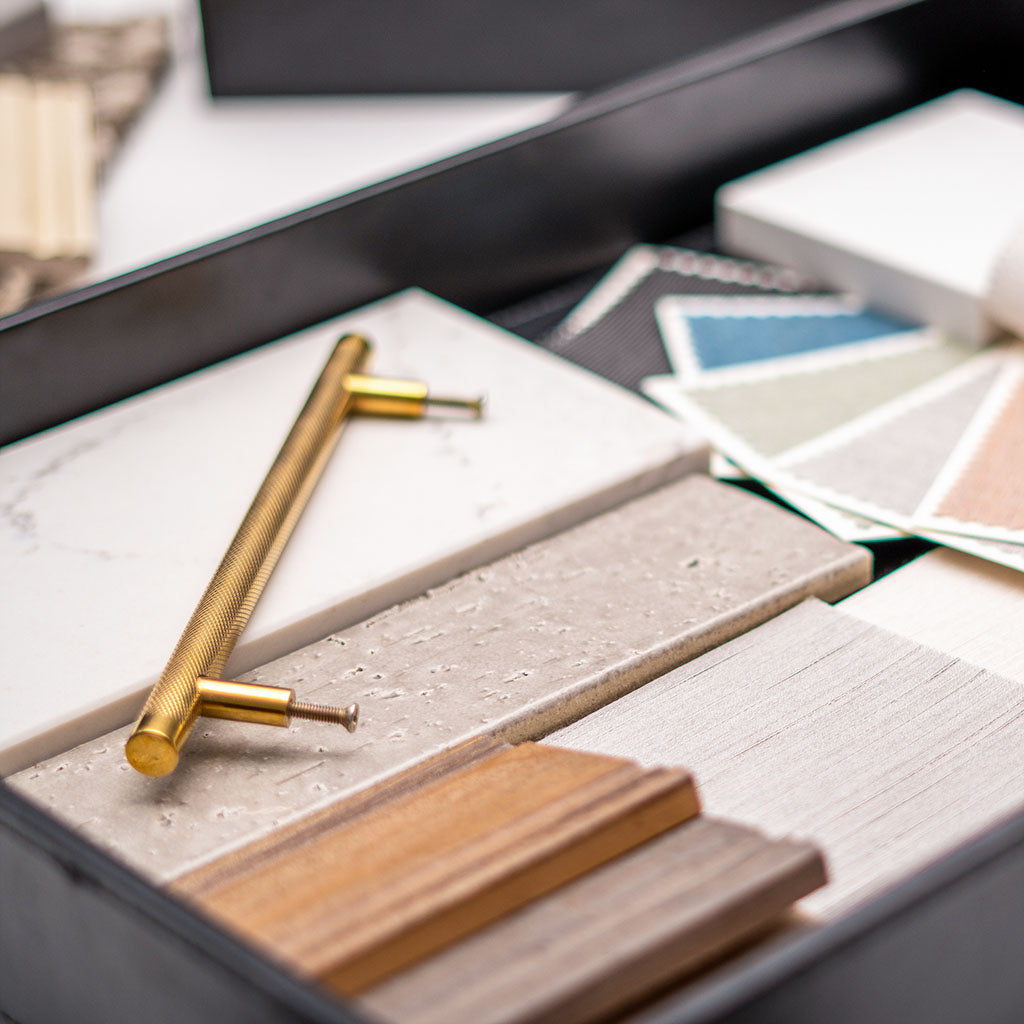
In the Tonalist painting movement of the 1880's, the painters were known for creating mood and atmosphere. Their paintings were characterized by "lost edges" or places where things blended together. In design, we do this by incorporating texture, and choosing exactly where we want contrast. The overarching decisions come down to: does this enhance the atmosphere I'm going for or detract from it? Is there a more effective choice I should consider?

Painting by George Inness
There are a few caveats to designing like this.
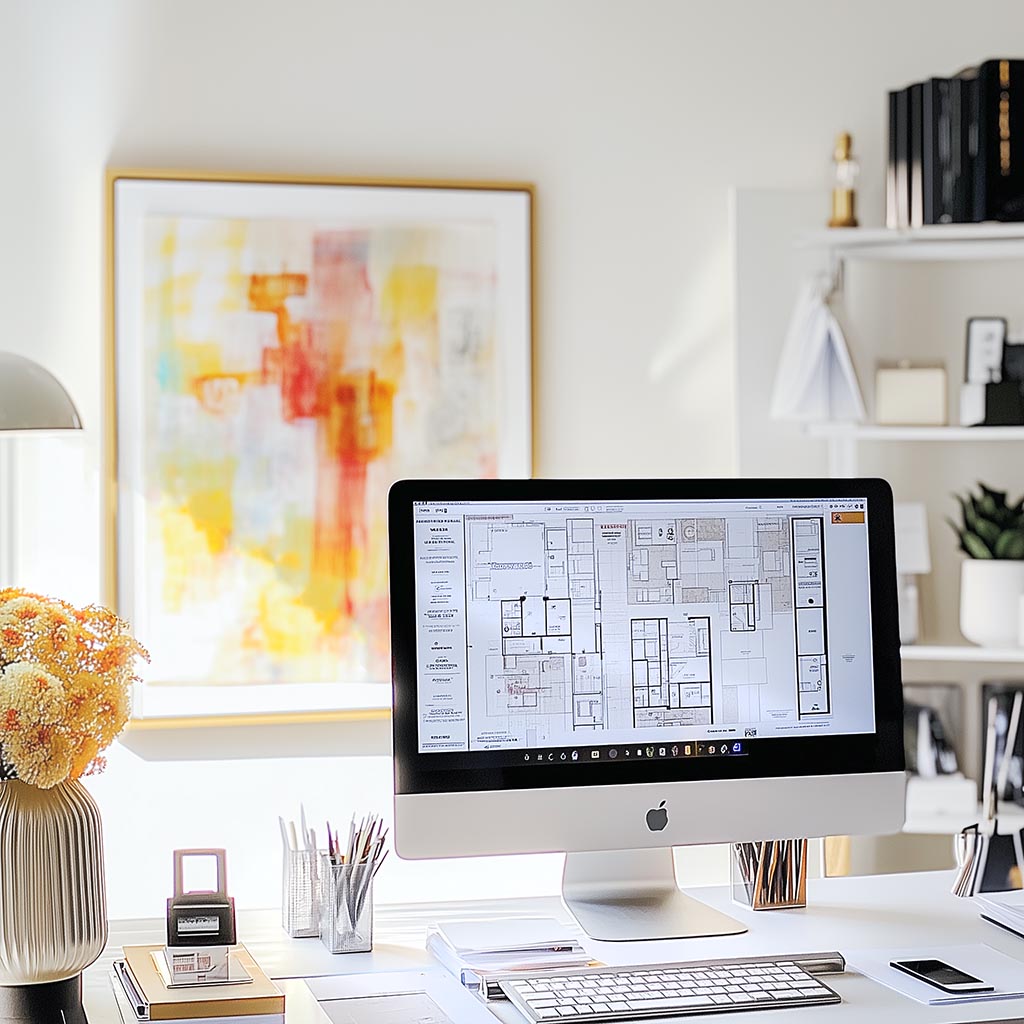
One: you have to have a solid foundation. You cannot let color and mood dictate a design that doesn't have a working floor plan and the necessary functional elements. Just like in textile design, I can't get moody and color happy without having a solid layout that works for my design or it will fall apart.
Two, you can't wing it. I have consulted with a lot of people who start with one design in mind and then see something they love and switch the design entirely, even though half of the room has been purchased for the original design plan. They feel guilty about the purchases so they still use them, plus that new thing that caught their eye, and they end up with a mess that doesn't match either vision. Realistically, you need to see and sample all of the elements of a design before you purchase a single thing. (True for all projects, but especially those with subtle color and contrast.)

Introduce Some Tension
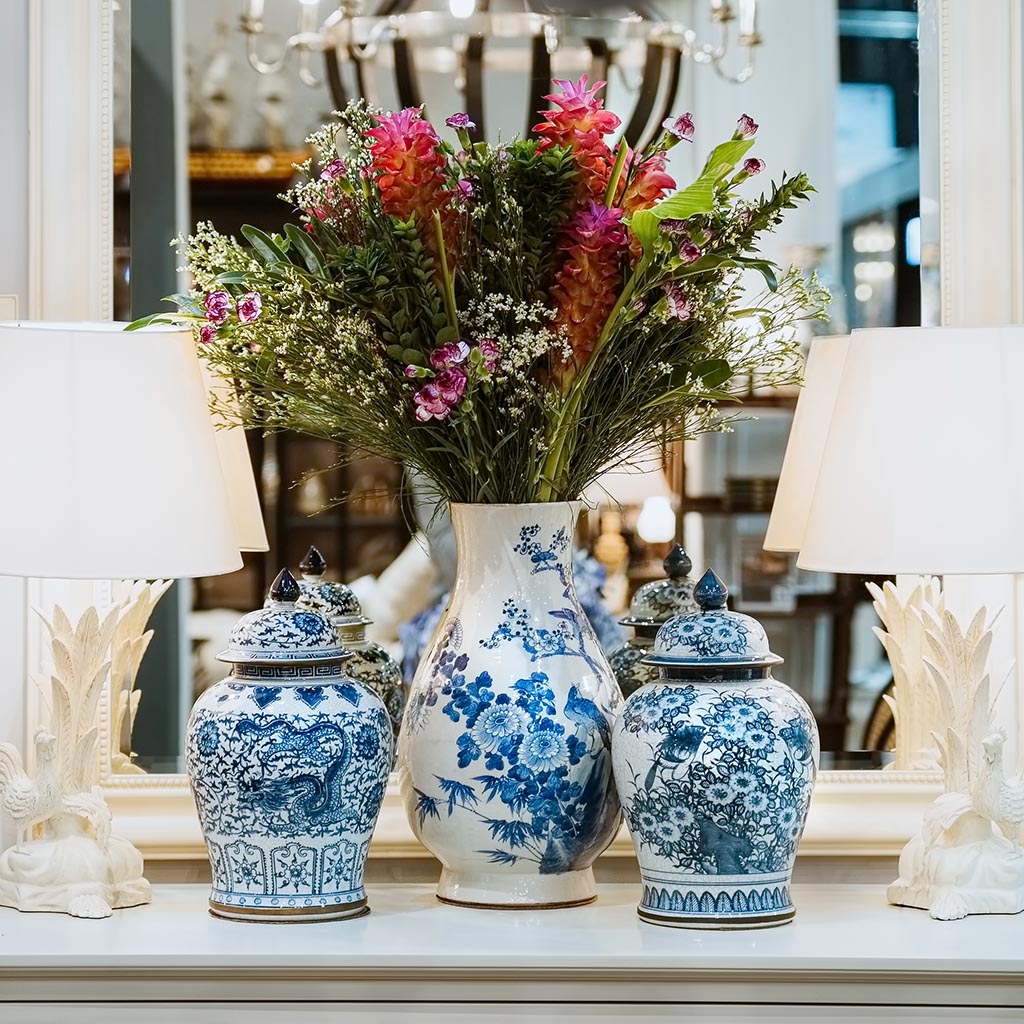
Tonalism in design requires precision, and a great eye for color and texture. Why? Because you have to introduce some tension. It is easy to go overboard and have everything match perfectly, which is not good either. It becomes boring and one-note very quickly. Maybe it's a painting that brings in a bold color, or a single textile that incorporates a foil to the too-matchy color scheme, or an antique in an otherwise modern room. Each room is different and will dictate how this plays out.

It's easy to think that tonalism means no contrast. That's not true either. It means making decisions that enhance a mood and atmosphere and making conscious decisions about where to incorporate contrast and where to let the edges blend together. Most of all, it comes down to mood. You might not even pick up on the concept that a room is tonalist, but I can almost guarantee you'll feel exactly the atmosphere for which we were designing.